
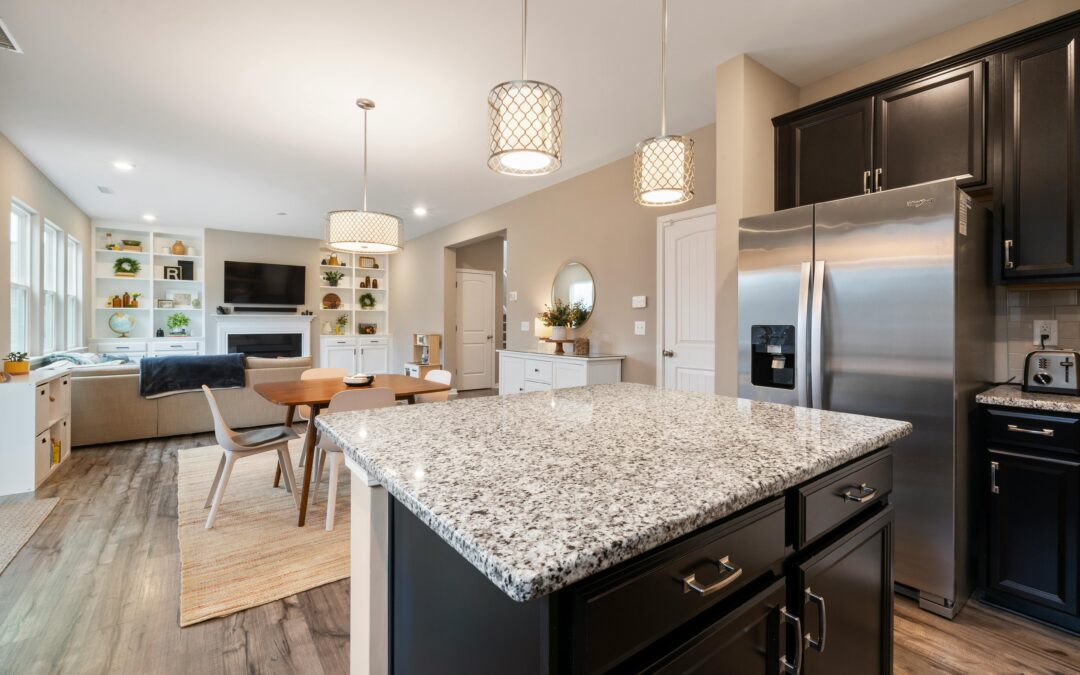
Moving into your first home or updating a family space can feel overwhelming—especially when every choice seems permanent. What cookware is worth investing in? How do you balance style with kid-friendly durability? Today, you’ll learn exactly which kitchen and dining essentials combine function, trend, and longevity. By the end, you’ll be ready to build a space that looks great, works hard, and feels like home.
Trending Styles in Kitchen & Dining Spaces
Nostalgia & Maximalist Comfort
Minimalism has had its moment. Now, nostalgia-core and cozy maximalism are taking over kitchens and dining rooms. Expect layered textures, warm woods, eclectic ceramics, and vintage-inspired patterns—elements that create a “lived-in luxury” vibe. According to recent home design reports, homes with warm wood tones and mixed textures are 45% more likely to be listed as “inviting” or “family-friendly” by potential buyers.
Eco-Friendly, Smart Design
Sustainability isn’t just a buzzword. Energy-efficient appliances, reclaimed wood, bamboo materials, and low-VOC finishes are top requests. For first-time homeowners and families especially, these choices reduce long-term costs (for example, through lower energy bills) and create healthier indoor air quality for children. Trends show eco-friendly kitchen features rising by over 30% in renovation inquiries in the past year.
Main Essentials: Practical Upgrades & Smart Investments
Here are 4 actionable insights to guide your kitchen and dining area setup—and help avoid common pitfalls first-time owners face.
1. Optimize Layout with the Classic Work Triangle
Ensuring your sink, stove, and refrigerator form an efficient triangle makes meal prep faster and less chaotic. For busy weeknights, this setup can save several steps per task—add those up, and you’re saving minutes (if not more) every single cooking session.
2. Boost Storage with Clever Solutions
-
Install pull-out shelving to reduce bending and reaching.
-
Add corner lazy Susans for deep cabinets.
-
Consider a built-in pantry or a butler’s pantry between the kitchen and dining for overflow storage and hosting flow.
Homeowners report that well-planned storage improves usability by at least 25%.
3. Create a Multifunctional Island
A kitchen island isn’t just about food prep. It can double as a casual dining spot, a workspace for kids, or a staging area when entertaining. Aim for durable countertop materials (like quartz or solid surface) that resist scratches, stains, and heat.
4. Invest in Durable, Kid-Proof Surfaces
Families know that spills, drops, and chaos are part of daily life. Choose upholstery fabrics that are easy to clean (e.g., performance fabrics or wipe-clean vinyl), resistant finishes for cabinetry, and hard-wearing flooring that can handle frequent traffic. Durable wood or tile options often last decades; cheap laminates may look good at first but tend to show wear within a few years.
5. Add Greenery & Natural Elements
Indoor plants aren’t just decorative—they improve air quality and bring stress-reducing benefits. Wood accents, stoneware dishes, and natural fibers (like jute or cotton) help ground your style. Biophilic design is on the rise: according to recent studies, homes with natural elements are reported as more relaxing and are valued higher by prospective buyers.
Style Moves to Try
Mix Patterns with Intention
Layer patterned table linens, geometric placemats, and floral cushions—but keep a unifying color or texture so the space doesn’t feel chaotic. This balance amplifies style without overwhelming.
Embrace Earthy, Cozy Colors
Terracotta, olive, mocha, and muted neutrals add warmth and appeal. These shades are trending in paint and decor catalogs, reflecting a desire for spaces that feel grown-up yet comfortable.
Blend Vintage & Green Design
Vintage pieces, like a thrifted sideboard or antique dining chairs, pair beautifully with modern, eco-friendly items. This mix tells a story and often saves money—plus vintage items tend to be built solidly.
When you’re setting up your kitchen and dining space, aim for essentials that combine function, durability, and style. Prioritize an efficient layout (the work triangle), smart storage, multi-use furniture like islands, and surfaces that can stand up to family life. Style additions—pattern, earthy tones, vintage touches—make the space genuinely yours. Eco-friendly choices help both your wallet and the environment in the long run.
If you found these insights helpful, consider subscribing to our newsletter for seasonal styling guides and expert picks in home goods. Share this post with others planning their own kitchen refresh, and come back to explore more content about sustainable design, remodeling tips, and family-friendly home projects.